Last updated on
Dec 15, 2025
The Source
Exploring the root causes behind oral health

Relief from TMJ Pain - Without Surgery
Treat the Root Cause of your TMJ pain and start living without constant discomfort.
Breathe Better. Sleep Deeper. Wake Up Energized.
Our comfortable alternatives to CPAP treat the root cause of sleep apnea — so you wake up rested and alive again.
Family History
Most patients with TMJ issues been told “it’s all in your head” or bounced between professionals with no real answers. At Root Cause, we do things differently. We start by taking the time to truly understand your story.
From when the characteristics of the pain to that car accident ten years ago, every detail matters. Our detailed patient history process isn’t just about ticking boxes. It’s about seeing the full picture, so we can uncover the root cause behind your symptoms. Because when we listen deeply, healing begins. This is called Relational healing, the purpose of our business.
Detailed Patient History
Jaw issues, sleep apnea, clenching, even crowded teeth, these patterns often run in families.
At Root Cause, we don’t just treat your symptoms in isolation. We ask about your parents, siblings Why? Because your story is often part of a bigger one and understanding that helps us get to the root of what’s really going on.
By uncovering patterns in your family history, we can better predict risks, personalize treatment, and help prevent future issues for the next generation, ending the cycle with you. Healing starts with understanding where you come from.
Medical History
Chronic jaw pain, headaches, tension in the neck and poor sleep. It’s easy to treat these issues like isolated problems but they rarely are. Sometimes symptoms related to your jaw could be coming for undiagnosed sleep apnea or from your neck. By diving deep into medical history, we get closer to the root cause of your symptoms.
That’s why, at Root Cause, we dive deep into your medical history. From past surgeries to autoimmune conditions to stress and anxiety, medications that your taking for your pain or other medical conditions, every piece helps us connect the dots.
We don’t guess. We look at the whole picture. Because when we understand your body’s full story, we can design a treatment plan that works and finally gives you lasting relief.
Diagnostic Records
At Root Cause, we rely on comprehensive diagnostic records to uncover what others may miss.
That means advanced imaging of the jaw joint, posture and airway analysis, bite evaluations, muscle testing, and more all designed to give us a crystal-clear picture of what’s really going on.
Root Cause Diagnosis
Chronic pain is complex. It rarely comes from just one place, and trying to fix everything at once can make things worse.
At Root Cause, we don’t throw a dozen solutions at you on day one. We slow down and look deeper, starting with the primary cause that’s driving your symptoms. Most patients appreciate this approach as it allows them to build confidence into the treatment naturally.
By identifying the first domino, we create space for your body to respond and for the real story to reveal itself over time.
Healing isn’t about quick fixes. It’s a step-by-step process that begins with the right diagnosis, then evolves as your system starts to unwind.
Because when we honor the root cause, the rest begins to surface.
Why Surgery is Not the Answer to Your Jaw Pain
If you’re living with jaw pain, headaches, or clicking and popping in your jaw, it can feel like you’re stuck with two options: wear a nightguard or consider surgery. Many patients come to us saying, “My dentist gave me a nightguard, and when that didn’t help, they said surgery might be next.”
The truth? Surgery very rarely addresses the root cause of your pain.
Less than 2% of all TMJ cases in our office required surgical intervention.
Traditionally, most dentists consider stress to be the primary source of TMJ pain and other jaw discomfort. They often treat the symptoms, instead of correctly identifying the root cause. If patients pursue surgery instead of diagnosing and correcting the underlying cause, symptoms will come back or never fully go away.
You need to find the true source of dysfunction. Instead of simply treating your symptoms, focus on answering one key question:
Why is your jaw hurting, and why are your teeth wearing down in the first place?
Jaw pain and TMJ issues are rarely isolated problems. They’re often part of a bigger picture that may include tight or overworked muscles in the face, neck, and shoulders; bite problems that force the jaw into an unnatural position; or airway issues, especially at night. Sleep-disordered breathing or sleep apnea, poor jaw growth or development from childhood, and posture or habit patterns can all add extra strain to your jaw muscles.
Simply placing a nightguard or jumping to surgery without understanding this bigger picture risks masking the symptoms instead of solving the problem. You may also miss important issues like airway problems or sleep disorders, and pursue invasive treatments when more conservative options would have worked.
Effective TMJ care begins by stepping back and looking at the whole system, not just the teeth and joints.
A thorough assessment should evaluate your jaw joints and muscles, your airway, and your posture and habits. By looking at how these systems work together, clinicians can determine where your pain is coming from and how your daily activities and functions may be overworking your jaw and facial muscles.
For children and teens, this assessment often includes evaluating jaw growth and development to determine whether early orthodontic intervention could support better breathing, a healthier jaw position, and long-term joint health.
Pursuing Non-Surgical Treatment Options
Once you understand the true source of your symptoms, a clinician should guide a simple, patient‑owned plan that addresses the root cause of your pain and empowers you to take control of your own healing. The most effective plans take a holistic approach that combines oral appliances with other therapies, like osteopathic manual therapy, physiotherapy, and myofunctional therapy.
Depending on your situation, your plan might include:
Oral appliances designed and 3D-printed in-house to improve jaw position and muscle balance. These appliances are very different from nightguards and are customized to correct the source of your pain, instead of just easing your symptoms.
Airway-focused treatments, including collaboration with sleep physicians or ENT specialists when needed.
Lifestyle and habit changes that address patterns around the pain. Your habits often reveal lifestyle changes that can help you reach your goals.
Orthotropics treatment, especially in growing children, to support healthier jaw development, airway and function of the muscles.
Surgery still has an important place in TMJ care, but it should be reserved for very specific cases, such as severe structural damage or joint disorders that don’t respond to conservative care. It should not be the default next step simply because a nightguard didn’t work.
If jaw pain, headaches, ringing in the ears or other TMJ-related symptoms are affecting your everyday life you should seek an evaluation as soon as possible.
Many patients find relief from pain and uncomfortable jaw clicking and locking successfully and without surgery.
If you’ve only heard “nightguard or surgery,” know this:
You have other options. And you deserve care that looks beyond the symptoms to understand why your jaw hurts in the first place.
The Surprising Hidden Cause of Jaw Pain
TMJ pain is rarely “just stress.”
There’s often a hidden cause behind jaw pain that goes far beyond stress and clenching. And until that hidden cause is addressed, the pain tends to keep coming back.
In dental school, most dentists learn that patients with jaw pain, headaches, or tooth wear have two options: wear a nightguard or consider surgery.
This approach focuses on protecting against damage and managing symptoms, but it doesn’t address the deeper question:
What’s actually driving the jaw pain in the first place?
Yes, stress and grinding can play a role. But for many adults and children, there is something more fundamental happening in the background.
One of the most overlooked drivers of jaw pain is the airway.
When your airway is narrow or restricted, your body has to work harder to pull in enough air. That extra effort can show up as mouth breathing, snoring, restless sleep, clenching, or grinding. Basically, airway issues can cause your jaw and facial muscles to be constantly “on duty.”
Over time, this can overload the jaw joints and muscles, causing jaw pain and tension, headaches, facial pain, tooth wear, and clicking or popping in the jaw.
From the outside, this might look like simple “TMJ” or “grinding,” but underneath, your body is fighting for better airflow.
For many people, these patterns don’t appear out of nowhere in adulthood. They begin in childhood. Early crowding of teeth, chronic mouth breathing, snoring, bedwetting, and behavioural concerns can all be signs that a developing airway and jaw might be under strain.
When a child can’t breathe well through the nose, the mouth often stays open. This changes tongue posture and the way the jaw grows. Instead of developing wide, well-supported arches and a stable bite, the jaw can grow more narrowly and in a less favourable position.
Years later, that same child can grow into an adult with jaw pain, headaches, jaw locking, worn-down teeth, and persistent sleep issues.
What looks like an isolated jaw problem is often part of a long story about growth, breathing, and development.
Lasting, Non-Invasive Solutions
Nightguards can be useful tools. They help protect the teeth from wear and may reduce some muscle tension. Surgery has a place in very specific situations where there is significant structural damage in the jaw joints.
But if you only focus on “protecting the teeth” and “fixing the joint” without ever asking why the muscles and joints are overloaded, you won’t find long-term relief.
If the hidden airway and breathing issues are never addressed, you may keep grinding through nightguards, need repeated appliance adjustments, and still wake up tired with jaw pain or headache.
A more modern, effective approach to jaw pain takes a holistic approach and addresses your breathing, sleep patterns, joint and muscle interactions, and development and growth from a young age.
Orthodontics is often seen as “straightening teeth,” but it has the potential to do so much more by helping address airway issues.
For children and teens, early intervention orthodontics can:
Help guide jaw growth to create more space for the tongue and airway
Improve how the upper and lower jaws fit together
Reduce strain on the jaw joints and muscles over time
Support healthier breathing patterns and sleep
For adults, orthodontics can sometimes be used in combination with other therapies to improve bite balance and function, which can reduce stress on the jaw system.
The goal is not just a great-looking smile. Orthodontics can build a foundation for better breathing, more stable joints, and long-term comfort.
Looking Beyond Grinding
If your jaw pain story has only included “you’re stressed,” “you’re grinding,” or “you might need surgery,” it’s time to find the real reason for your discomfort.
There may be a deeper cause—and there are providers who are trained to help you find it.
By looking deeper and asking real questions about airway, sleep, and growth, clinicians can develop a holistic plan for you to reduce your pain, breathe better, and sleep more soundly.
Orthodontics
We guide jaw and airway development early so your child grows strong, confident, and healthy..

Custom Precision TMJ Orthotics
When the user hovers, three different options show up:
Day time Orthotic:
Our custom daytime orthotic is designed to gently guide your jaw into a healthier position reducing strain on your joints, the clicking noise in your jaw joint, relaxing tense muscles, and helping you function without pain throughout the day. It’s discreet, comfortable, and made just for you.Night time Orthotic (a):
our custom nighttime orthotic designed to stabilize your jaw, protect your joints, and calm the nervous system while you rest. It’s not bulky or generic, it’s precision-fit to your bite, helping reduce clenching, tension, and inflammation at night so you can wake up feeling more refreshed and at ease.Night time Orthotic (b):
This appliance helps with nighttime grinding. By gently repositioning the jaw and supporting muscle relaxation, it can reduce pressure on the joints and teeth, providing added relief for those who grind in their sleep. As an added benefit, it has small, flexible bands connect the upper and lower parts of the appliance and is a great choice for those that are mouth breathers or tend to move their jaw around while they sleep.
Professional Collaboration
Healing doesn’t happen in a vacuum. TMJ pain, sleep issues, chronic pain, often need more than one perspective and we believe that’s a strength, not a limitation.
At Root Cause, we work closely with a trusted circle of like-minded professionals who share our philosophy of getting to the root cause. From ENTs and myofunctional therapists to chiropractors, osteopaths, and RMTs we’ve built one of the largest rosters of aligned experts in the region.
And the best part? We refer locally, so you get exceptional care close to home, without the guesswork.
Half the battle is working with people who actually get you, and were constantly growing this community to better serve you.
Snoring & Sleep Apnea
Treat the Root Cause of your TMJ pain and start living without constant discomfort.

2 out of 5 Canadians Snore
Only 3 out of 100 Canadians have been diagnosed with sleep apnea
1 in 2 people quit using CPAP within the first year.
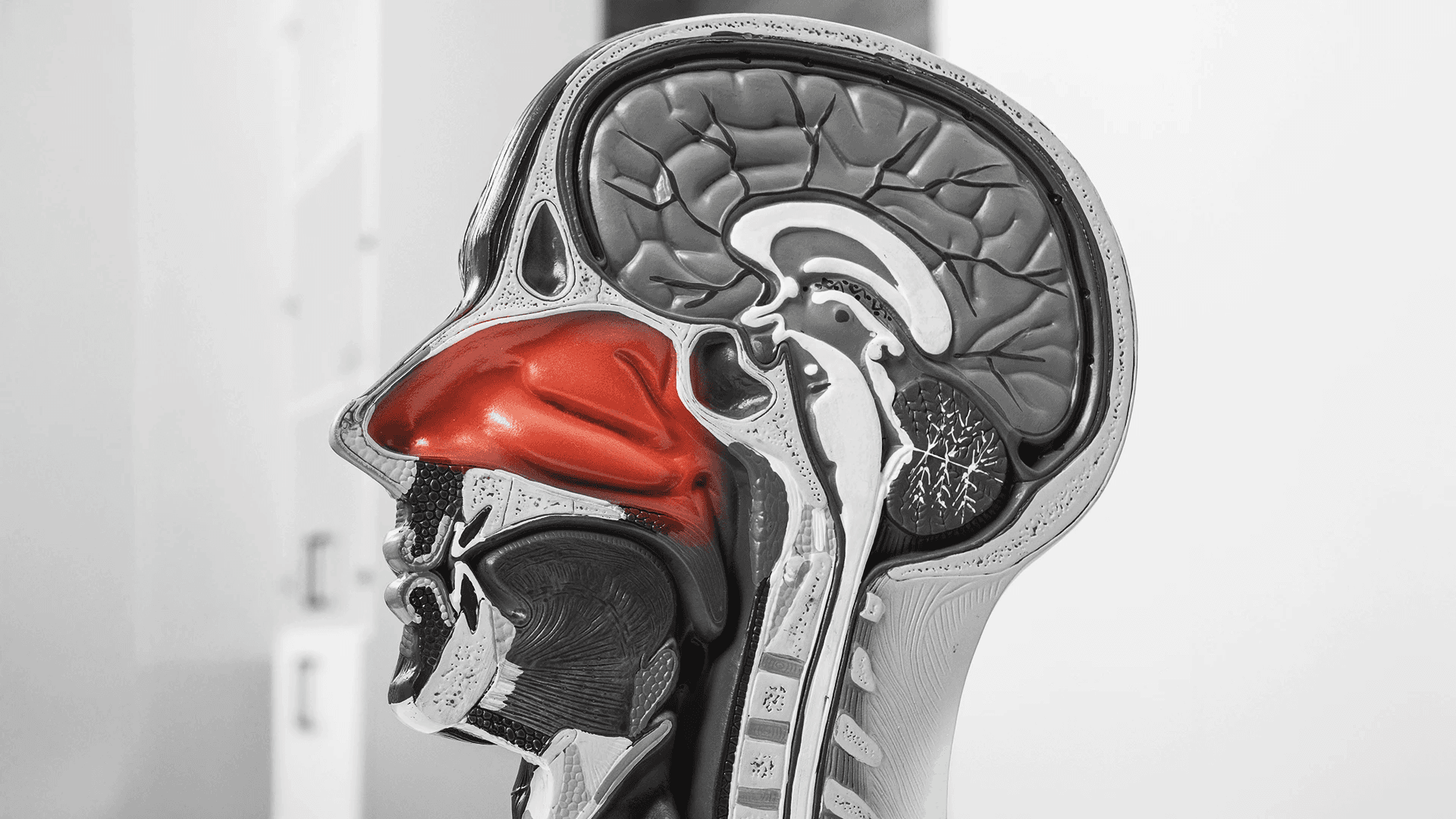
If the nose isn’t working, the rest of the airway can’t either.
At Root Cause , we understand that healthy breathing starts with the nose.
That’s why our team takes the time to carefully evaluate for nasal obstructions such as a deviated septum, enlarged turbinates, allergies, or nasal polyps, each of which can significantly impact airflow and sleep quality.
Solution:
Depending on the severity of your findings, we’ll walk you through personalized solutions, which may include:
Xlear Nasal Rinses – to gently clear congestion and reduce inflammation.
Magnetic Nasal Strips – to support nasal valve opening and improve nighttime airflow.
Referral to a Trusted ENT Specialist – for advanced evaluation and possible treatment options when needed.
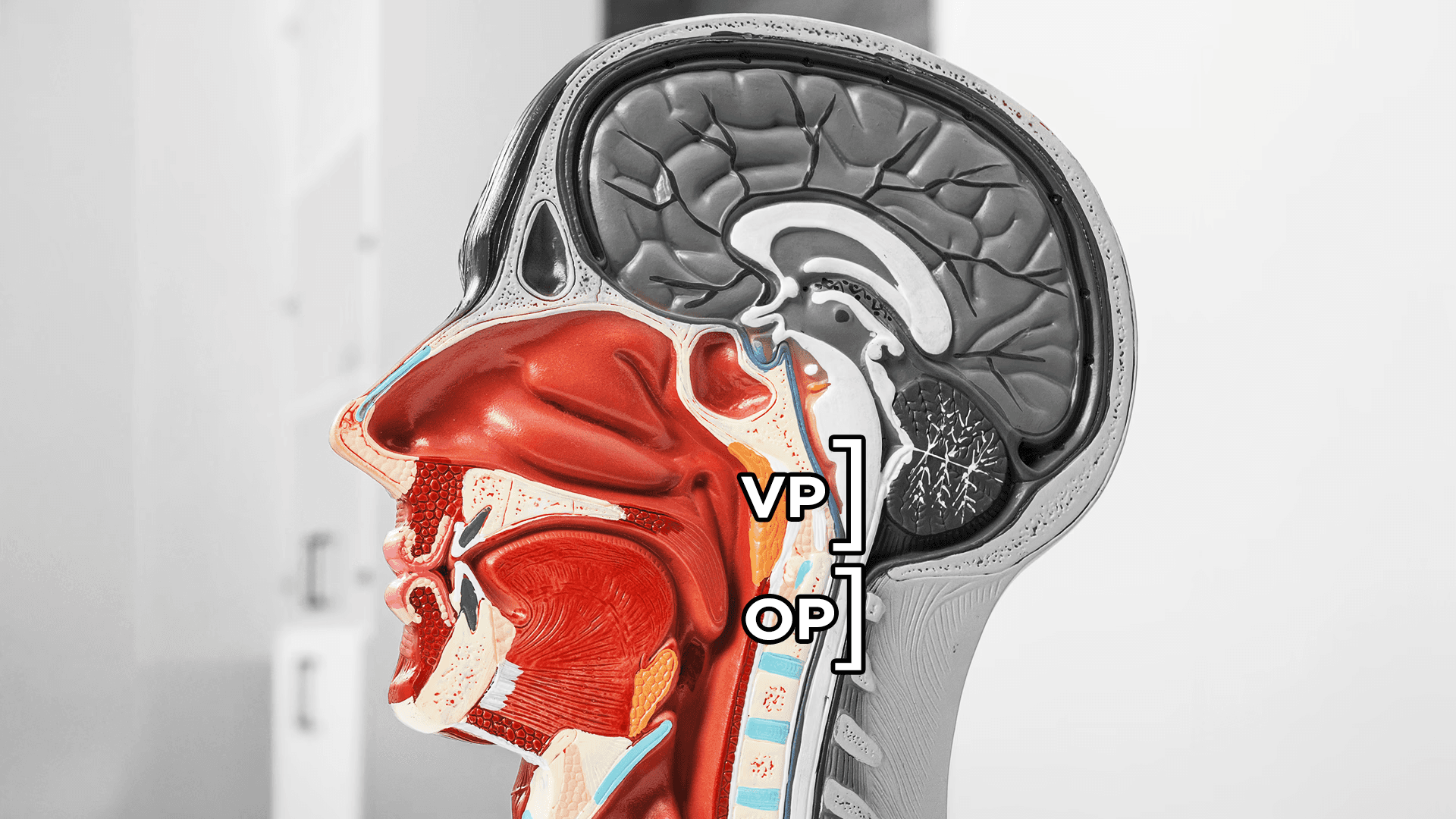
Most people with sleep apnea aren’t getting enough oxygen because of a hidden blockage in a place called the velopharynx, right behind the soft palate at the back of your throat.When you fall asleep, this area can drop down and block your breathing like a curtain closing across a window. This area most frequent site of collapse during sleep.
Solution:
The DEKA laser offers a gentle, non-surgical way to tighten this tissue — especially around the soft palate, oropharynx, and even enlarged tonsils. By stimulating collagen and reducing inflammation, it can shrink tonsillar size, open up your airway, and help you breathe more freely at night all with no cutting, no stitches, and no downtime.
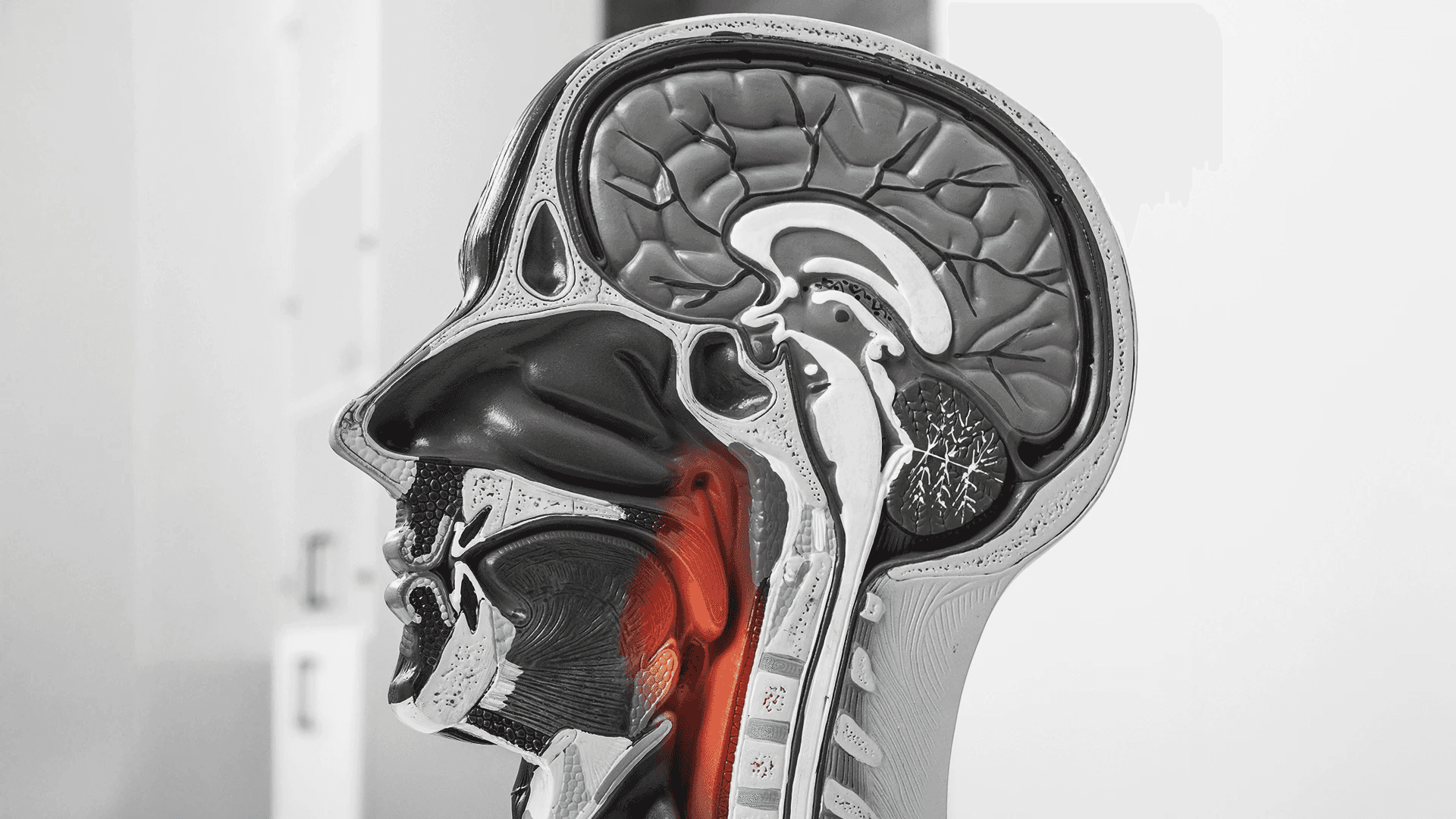
The oropharynx is the part of your airway that includes the back of your tongue, tonsils, and throat walls. When you're awake, muscles in this area keep everything nice and open. But when you sleep, those muscles relax , and in some people, the tongue and soft tissues fall back and block the airway like a cork in a bottle.
Solution:
Serena EMA
When it comes to treating snoring and sleep apnea without a CPAP, the Serena EMA is our top choice. Why? Because it’s comfortable, adjustable, and incredibly effective. it’s also made from high-quality, medical-grade materials that set it apart.
Detailed Patient History
Jaw issues, sleep apnea, clenching, even crowded teeth, these patterns often run in families.
At Root Cause, we don’t just treat your symptoms in isolation. We ask about your parents, siblings Why? Because your story is often part of a bigger one and understanding that helps us get to the root of what’s really going on.
By uncovering patterns in your family history, we can better predict risks, personalize treatment, and help prevent future issues for the next generation, ending the cycle with you. Healing starts with understanding where you come from.
Medical History
Chronic jaw pain, headaches, tension in the neck and poor sleep. It’s easy to treat these issues like isolated problems but they rarely are. Sometimes symptoms related to your jaw could be coming for undiagnosed sleep apnea or from your neck. By diving deep into medical history, we get closer to the root cause of your symptoms.
That’s why, at Root Cause, we dive deep into your medical history. From past surgeries to autoimmune conditions to stress and anxiety, medications that your taking for your pain or other medical conditions, every piece helps us connect the dots.
We don’t guess. We look at the whole picture. Because when we understand your body’s full story, we can design a treatment plan that works and finally gives you lasting relief.
Diagnostic Records
At Root Cause, we rely on comprehensive diagnostic records to uncover what others may miss.
That means advanced imaging of the jaw joint, posture and airway analysis, bite evaluations, muscle testing, and more all designed to give us a crystal-clear picture of what’s really going on.
Root Cause Diagnosis
Chronic pain is complex. It rarely comes from just one place, and trying to fix everything at once can make things worse.
At Root Cause, we don’t throw a dozen solutions at you on day one. We slow down and look deeper, starting with the primary cause that’s driving your symptoms. Most patients appreciate this approach as it allows them to build confidence into the treatment naturally.
By identifying the first domino, we create space for your body to respond and for the real story to reveal itself over time.
Healing isn’t about quick fixes. It’s a step-by-step process that begins with the right diagnosis, then evolves as your system starts to unwind.
Because when we honor the root cause, the rest begins to surface.