Can Invisalign Help TMJ?
Learn when Invisalign may help, when TMJ stabilization should come first, and why diagnosis matters before treatment.
Many patients ask whether Invisalign can help TMJ symptoms. The answer is yes, in some cases. But it depends entirely on what is actually causing the problem.
TMJ symptoms are not all the same, even when they look similar from the outside. Two people may both have jaw pain, clenching, headaches, or bite changes, but the reason behind those symptoms can be completely different. In one person, the issue may be primarily muscular. In another, the joints may be inflamed or unstable. In someone else, the airway may be part of the picture. And in some cases, the bite is not the true source at all.
That is why the question is not simply, “Can Invisalign fix TMJ?” The better question is, “What is causing the TMJ symptoms in the first place?”
TMJ Symptoms Need a Diagnosis Before a Solution
Before deciding whether Invisalign is a good option, the first step is to understand the source of the problem.
That means looking at the whole picture. We want to know whether the symptoms are coming from the muscles, the joints, the airway, the bite, or a combination of factors. If the temporomandibular joints are inflamed, if the muscles are overworking, or if the jaw is not stable, moving teeth without understanding those issues may not help. In some cases, it may even make things harder.
That's why a proper TMJ evaluation matters.
If the problem is muscular, the approach may need to focus first on relaxing and stabilizing the system. If the joints are irritated or unstable, they may need support before any tooth movement is considered. If airway is involved, that also needs to be addressed. Without that kind of clarity, Invisalign can become just another step taken without fully understanding the reason symptoms are happening.
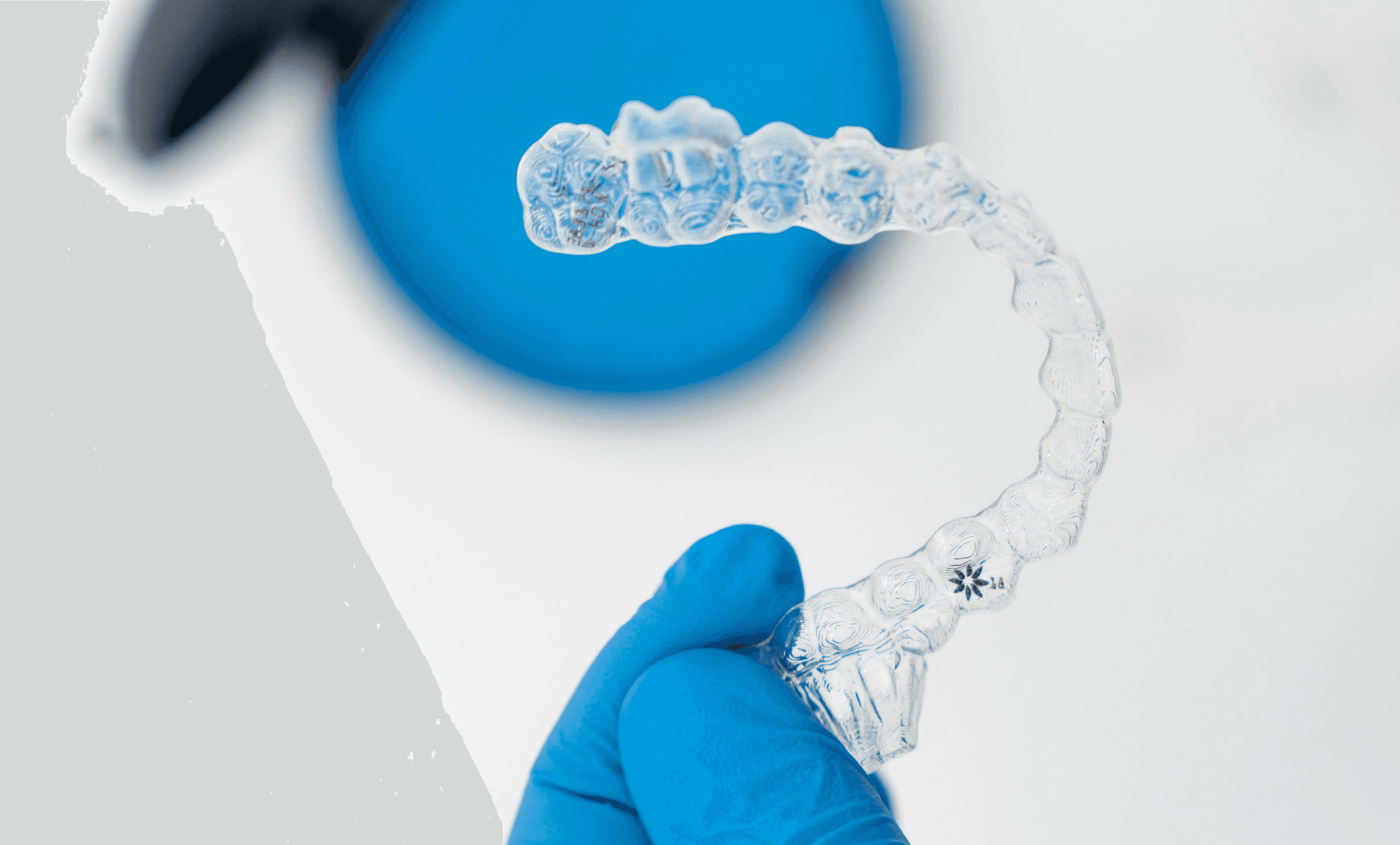
Can Invisalign Help TMJ?
It can, but that doesn't mean Invisalign is the first step for everyone.
If a patient has already been evaluated, the joints have been checked, the muscles have been assessed, and more serious joint-related issues have been ruled out, Invisalign may be an important secondary step. In the right situation, tooth movement can support a more stable, functional outcome.
The key is timing and diagnosis.
Why Invisalign Is Not a One-Size-Fits-All TMJ Treatment
One of the biggest misunderstandings about TMJ treatment is the idea that one solution works for everyone.
That's not how it works.
If the TMJ needs to be stabilized first, simply starting Invisalign won't solve the problem. If the muscles need to relax with an orthotic, that may need to happen before any orthodontic movement is considered. If the airway is part of the issue, ignoring it can leave the true cause untreated.
In those situations, jumping straight into Invisalign may not help because it isn't addressing the root cause of symptoms.
That doesn't mean Invisalign is bad. It just means it has to be used in the right context. Invisalign can be a helpful tool. It can be part of a thoughtful treatment plan. But it is still just a tool.
What matters most is whether it matches the diagnosis.
If the underlying issue is muscular, joint-related, or airway-related, those pieces need to be understood first. Once we know what is really happening, then we can decide whether Invisalign makes sense, whether it should come later, or whether a different approach is more appropriate.
That is how you avoid treating symptoms blindly and instead treat the true source of your concerns.